
Preach the word; be diligent in season, out of season;
2 Timothy 4:2
reprove, rebuke, exhort with all long suffering and doctrine
Introduction
The Oriens Journal has not commented on the question of the Society of St Pius X (SSPX) for two reasons. The first, the Journal is dedicated to the intellectual, moral and spiritual fatherhood of the priesthood. Our task is not to react to news- it is to form souls as spiritual fathers. Something sorely lacking in the culture. We have seen a need and are dedicated to supplying for that need. Our mission is very clear. The second reason is that I didn’t really understand it. At least not entirely. I want to address that now.

Souls, not news
The Journal is not addressing the question of the SSPX because it is in the news. It is addressing the issue because what is in the news is of grave concern to souls. And rightly so. I do not know a traditionalist who is not in some way perturbed by the current situation. No matter how dedicated to the cause we may be, any accusation of acting outside established papal authority is deeply problematic. It is a question of eternal salvation.
The cottage industry commentariat is none too helpful either. The multiplication of ‘likes’ and ‘shares’ drives exaggerated headlines with which all traditionalists are tainted. It can be hard to separate legitimate positions from the crackpots.
Doctrine, not jurisdiction
But let me start with a confession. My error was to view the issue of the SSPX as one of jurisdiction alone. It seemed like a simple question of law. If the SSPX were consecrating bishops without the approval of the Vatican, then this meant that a law was broken and the condign penalty should be applied. That is not entirely wrong, but it is certainly incomplete. Pope Benedict XVI, ever a keen theological mind, understood that the problem is not one of jurisdiction, but doctrine. This is not to say there are not jurisdictional issues- but that jurisdiction alone won’t resolve the issue. At its heart, the question of the SSPX has always been about what it believes, not just about what it does. Therefore, it needs a theological solution. Theology alone won’t resolve it either, but it will make what needs to be resolved that much clearer. Something that at present, is somewhat opaque.
I do not know if the SSPX has a dedicated theological body that addresses its theological issues and whether it has published anything specifically. I imagine that internally and during the various discussions and debates, e.g. the dialogue from 2009, much has been written. I have read everything I can find on their website in relation to their issues, but I can find no theologically detailed account of their positions from the Society itself. (If anyone knows of something specific from the SSPX- please let me know in the comments.) I think this matters more than it might first appear on the surface.
Development, not revelation
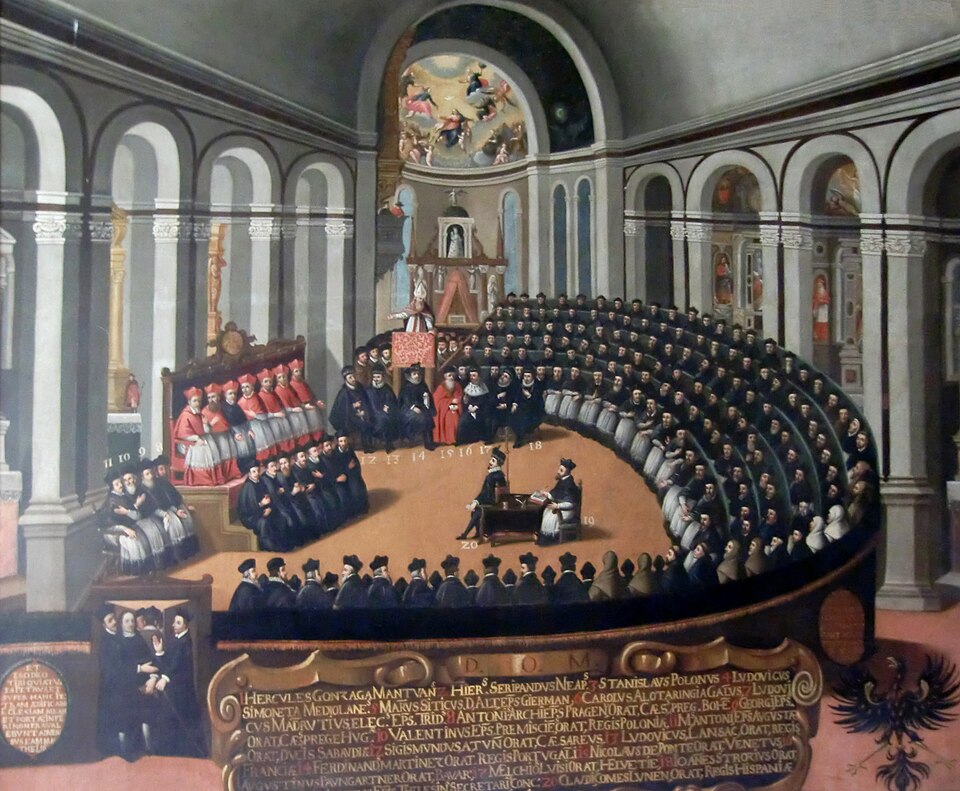
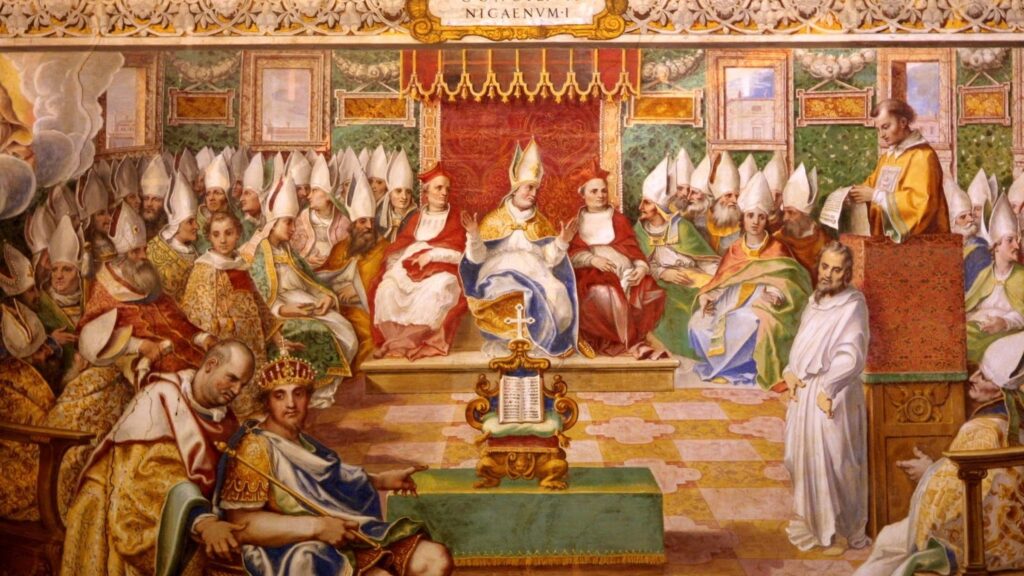
The Church is not a debating society. Yet debates are a part of who we are. Certainly, we can call them ‘dialogue’, ‘discussions’, or even ‘synods’. The reality is – we argue. And that is no bad thing. A brief look at the history of Church councils should dispel myths of Edenic-like meetings of minds at Nicaea and Constantinople. This is because even though the Church possesses the fullness of truth that has been handed to Her, no one in the Church has the fullness of its expression in any one moment. The Church may possess the entirety of revealed truth- no one person or even generation has all the answers all at once. That is why we argue. And that is why there is a difference between new revelation and theological development. Revelation is complete and therefore there is no such thing as ‘new revelation’; but that does mean that doctrine does not develop. It does not, however, evolve. Doctrine develops by becoming more of what it actually is- it leans into its own truth; it does not become something different. And that is a distinction that most Protestants and I would argue most Catholics, don’t understand. And I think it is time we had an argument- sorry dialogue- about what that means.
Arguments are about ideas. Ideas are expressed in words. And words require definitions. I would like to understand better some of the arguments, ideas and definitions that the SSPX use. And I would like it spelt out somewhere by the SSPX. Now, before you start giving me your own thoughts and theories, I know that there has been ‘dialogue’ since the 80s. I also know that there would be internal resources, papers written and questions debated. However, I think we need two things. The first, a robust and official theological account of what the Society deems to be the most important issues and their arguments (This may already exist- but I cannot find it from the Society). The second, a public intellectual debate about these issues between wise and learned men. For as the Society rightly reminds us- the supreme law of the Church is the salvation of souls. I think this would benefit souls.
The benefits would be many. The first, if the Society has sound arguments for why certain documents have not been, or even cannot be, interpreted in the light of the perennial teaching of the Church- this needs to be made clear. For everyone. The second, if the Society has a spurious pseudo-magisterium that expects the authority of the Church to bend to it- then this needs to be established. For them. Thirdly, if it is some combination of both- then someone needs to sort out that mess. And this will be of immense benefit to future generations. Let me explain.
Dispute, not pretence
My position is that the theological question of Tradition is the question of our generation. And that question is about what must be handed on and how to the next generation. I believe it will appear to future generations the same way that the question of the divinity of Christ in the 4th century appears to us- it will define the theological legacy of an age; despite whatever mess we may be making of it at this moment. But in order to figure this out, we are going to have to argue about it. And this will require some intellectual rigour and personal discipline on our part.
However, what is holding us back from having this debate is not just the intellectual bankruptcy of our ideas, rather the lack of moral courage in our actions. At present, this generation of churchmen cherishes conformity over courage. The heart of our spiritual malaise is a moral crisis- we have not a beating heart sufficient to sustain a thinking head. This translates into our inability to acknowledge publicly the same arguments that we have in the pews every Sunday. And this is not a surface problem, it is a problem of substance. If we can’t acknowledge the truth, then we can never come to any determination. We can no longer pretend that things are fine simply because someone’s feelings may be hurt or someone thinks having an argument might be upsetting.
This is so because the culture has been unnaturally feminised. And so too has the Church. Thus, instead of the relentless pursuit of the truth we labour under the dictatorship of agreeableness. Under such a regime, the only dogma is that everyone should just get on with everyone else: but what do we do when we don’t? This is not just the problem of things never being resolved, it opens up a pathway for the unscrupulous.
Chests, not nerves
Agreeableness can work when principles are shared, the cause is common and outcomes can be measured objectively. And even then, it must not obstruct virtue. You want a wife to treasure agreeableness in the family home because the raising of healthy and holy children is the priority. But if the kids start to go off the rails, we do not sweep Johnny’s drinking or Jenny’s dress sense under the carpet. This is not care- it is moral delinquency. And the unprincipled are always willing and ready to exploit that kind of weakness.
Any institution where agreeableness is the norm is vulnerable to being exploited. It is why so much energy is necessary in order to protect the family- perhaps the only place where agreeableness should be the undisputed norm. But such an institution is just as vulnerable to the unprincipled within it as it is to the belligerent outside it. The amoral are adept at insinuating themselves into positions of influence. They come in peace and stay to rule in malice. And they use the same ruse to do both. The unctuous are quick to spot an opportunity for easy advancement. They play into the coddled expectations of cordiality and then wield it like a weapon when someone challenges them. What they use to ‘find their place’ is the same thing they use to keep you in yours- especially when you point out the errors. However, it is never the substance to which they can object, just your ‘tone’. It is emotional tyranny. This is not a place where masculinity can succeed, but a place where men without chests can thrive.
Courage, not cowardice
The era of closed doors meetings, working behind the scenes and just “trust us”- is over. The ones demanding ‘trust’ simply do not know it yet. The culture is far too broken for there to be hope for quiet and subtle correction. There may be much to dislike about popularism, but at least they have the argument openly and publicly- something that cannot be said for the current generation of church-splainers.
So, let us have this argument too. Let the Society make its best arguments; and let the best minds dispute them. And let us hear what they are. But let us first give up the deception of agreeableness and let us pursue the virtue of right over wrong; which we used to call prudence.
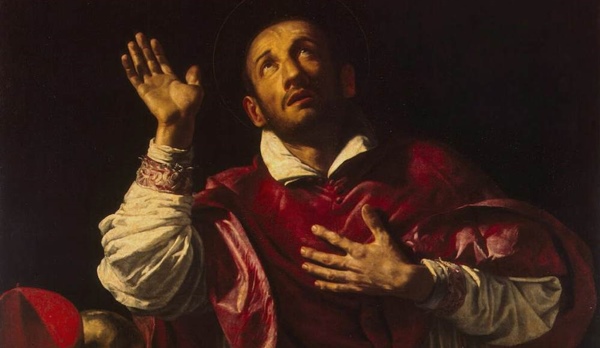
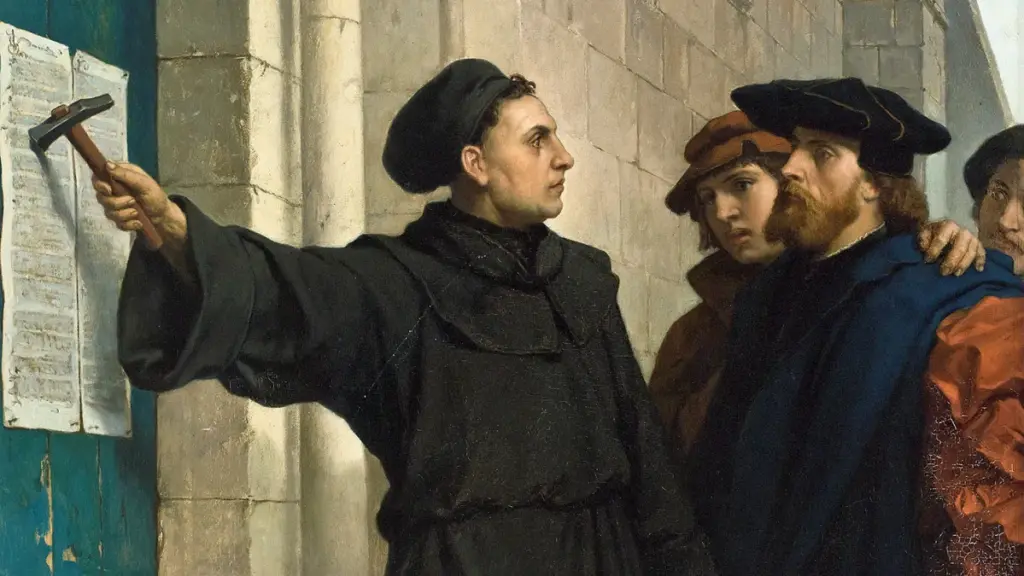
Although I hold deep reservations about the Society’s actions, I also believe that it presents an important opportunity for traditionalists. I know many of you have been tempted to walk away because of how you have been treated. But why would you allow those holding open the door for you to leave to have any say over how you live your life? Why would you give them any influence over your religion? Unwittingly, you reinforce their positions by acquiescing to their invitation. Christian defiance is not going your own way or doing your own thing. You fight by staying in place, standing firm and living a life of virtue- something that no one can take from you. Only you can do that to yourself. You want to be a Borromeo in the midst of crisis, not a Luther.
I do not know whether such a debate will solve the question of the SSPX. My own suspicion is that they may have difficulty recalibrating their religious obedience to Rome. The Lord said that apart from me you can do nothing. That is most certainly true, but it does not manifest itself all at once. It is a slow death and perhaps the Society is destined to orbit the Church until it is either collides with it or spins off into fragments. But the debate itself would be important; even though I am far from confident that it will happen. Our generation does not have anything like the intellectual muscle and moral courage of Athanasius, Basil or Ambrose. But then again, neither did the 4th century until the disputes were brought into the open and men stepped up in order to sort out the mess.

Final thought
The problem that caused the SSPX in the first place is the same obstacle to it being resolved today- a strong head requires a strong heart. And we have neither. Or better yet- where they are needed, they are not wanted. We pray the Lord may send us just one champion to lead the way.